

A disappointing result can create a strong temptation to switch to another game in hopes of a better outcome, but changing games does not necessarily change the underlying element of chance. Switching immediately from one game to another can also make it harder to distinguish a single unfavorable result from a broader pattern. Platforms such as diwa X may offer access to multiple games, making it easy to switch quickly when a player becomes frustrated with an outcome. However, each game generally has its own rules, probabilities, and payout structures, so one result does not reliably predict what another game will produce. Understanding this distinction helps explain why reacting to one bad result by switching games may not provide the outcome a player expects.
How Recent Outcomes Can Influence Decisions
A disappointing result can attract considerable attention because it has just occurred. This can make the outcome feel more important than earlier results that are no longer as immediate. Decisions made immediately afterward may be influenced by frustration, disappointment, or a desire for a different result. Moving to another game changes the activity, but it does not necessarily change the underlying uncertainty associated with gambling. The decision to switch may therefore reflect the psychological impact of the recent outcome rather than information about future probabilities.
Why Different Games Do Not Guarantee Different Results
Changing games can create the impression that a different environment will produce a different experience. However, each gambling activity has its own rules, probabilities, and payout structures, and moving between them does not inherently create an advantage after an unsuccessful result. If the original outcome was random, no general statistical principle requires the next game to compensate. Understanding this distinction separates the games’ characteristics from the emotional reaction to what happened immediately beforehand.

How Switching Can Make Results Harder to Interpret
Frequent changes between games can make it more difficult to understand what influenced the overall experience. Each activity may operate at a different pace and involve different probabilities, payout structures, or decision processes. Switching after every disappointing result can consequently create a series of disconnected experiences rather than a consistent pattern. If someone later evaluates what happened, it may be difficult to distinguish the effects of individual games from the effects of changing between them. The sequence of decisions can become more complicated without providing clearer information about future outcomes.
Why Expectations Can Shift After a Bad Result
An unsuccessful outcome can sometimes encourage the belief that something needs to change immediately. This may lead a person to view another game as potentially more favorable simply because it is different. Yet novelty does not establish a statistical relationship between the previous loss and the next outcome. A new game can produce another unfavorable result just as the original game could have produced a favorable one. Recognizing this helps explain why a single bad result does not, by itself, provide a reliable basis for predicting what will happen next.
Switching games after one bad result can be driven more by the psychological impact of the recent outcome than by meaningful information about future probabilities. A single result provides limited evidence, and moving to another activity does not automatically create a better statistical position. Frequent switching can also make experiences more difficult to interpret because different games involve different structures and probabilities. Understanding the distinction between an isolated outcome and a broader pattern helps explain why changing games immediately after disappointment does not necessarily provide information about what will happen next.
























 Return to Player (RTP) percentage is a figure that shows you how much of the wagered money a slot machine is expected to return over time. The higher the RTP, the better your chances. Pragmatic Play offers a variety of titles, and some of them have RTPs exceeding 96%. For example, games like The Dog House Megaways and Sweet Bonanza have relatively higher RTPs. It’s always a smart move to start with these rather than games with lower payout averages.
 Many Pragmatic Play games include exciting features like free spins, multipliers, tumbling reels, or re-spins. Knowing when such features are likely to appear or how to trigger them can give you an edge. For instance, in Gates of Olympus, the tumble feature combined with multipliers can snowball into significant wins—if played wisely. Betting slightly higher just before a bonus feature is due (based on patterns observed in demo mode) could increase the potential payout.
 One of the most underrated tips is setting your own playing limits—whether it’s per session, per day, or per week. It’s easy to get caught up in a winning or losing streak, but responsible





 Aviator is all about speed. With rounds lasting just a few seconds, players don’t have to wait long for their results. This fast gameplay keeps the adrenaline pumping and makes every session feel dynamic. In Aviator, each round involves watching an aircraft take off and see how high it climbs. The thrill comes from deciding when to cash out before the plane flies away—if you’re too late, your bet disappears! This simple mechanic adds an exciting layer of strategy. Players can jump in and start playing instantly without lengthy waits or complicated setups.
 With just a quick setup, players can set their desired cash-out amount. Once that figure is reached during play, the system automatically collects your winnings. This means no more last-minute decisions or missed opportunities. This convenience allows for smoother gaming sessions. Players can engage without being glued to the screen, freeing them up to chat with friends or enjoy other activities while still participating.




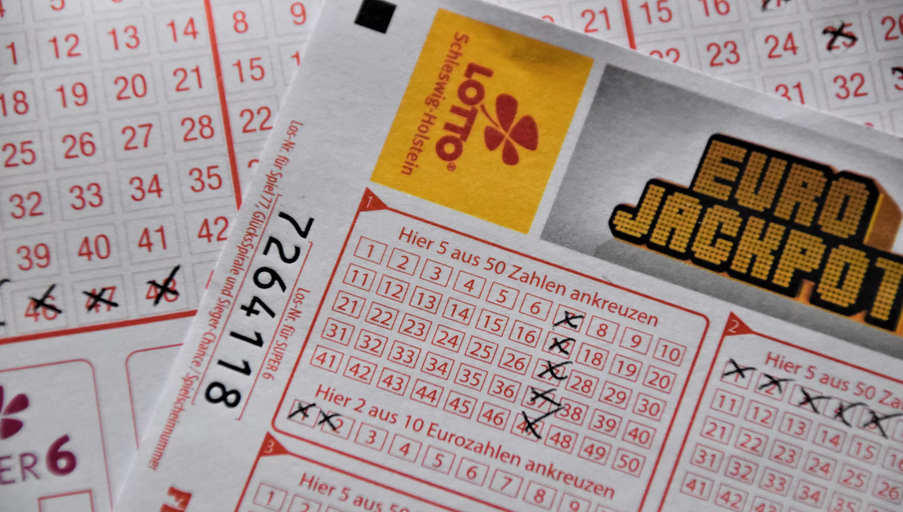



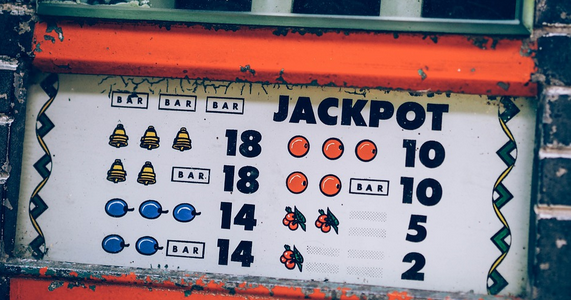

 But despite all the glory, it’s easy to get caught up in the whole excitement and inevitable thrill of chasing that life-changing jackpot, but it’s crucial to always remain mindful of your finances. Setting a budget for your slot play allows you to have control over how much money you’re willing to spend and helps prevent overspending. Before you start spinning those reels, take some time to assess your financial situation and determine an amount that you’re comfortable losing without causing any significant financial strain. Once you’ve established your budget, be sure to stick with it no matter what.

 Trying a new strategy can be stressful, especially when real money is involved. A demo account eliminates this stress, allowing players to focus solely on understanding the strategy and its potential outcomes.



 When gambling online, knowing when it’s time to stop is important. Set a limit for yourself beforehand and stick to it. Know when enough is enough, and don’t be tempted to exceed your budget.

 Another way to gamble online with a limited budget is to take advantage of bonuses. Many websites offer deposit bonuses for new members, which can give you extra money to play with. Special promotions and loyalty rewards give you more chips or free spins if you use the site regularly. Be sure to read everything before signing up, so you know exactly what you are getting into. This is important because some sites require you to meet certain requirements before cash out any winnings. You do not want to miss out on the bonus because you failed to read the terms of use.
 Participating in free tournaments is the fourth way to




 The next thing on your list should be the quality. Start by inquiring about the qualifications and educational background of flight instructors and check if their certifications are up to date. Also, don’t forget to ask for references from previous students as well. This is a very reliable method, given the fact that former students no longer have any obligations to the schools, which means they will most likely be perfectly honest. Last, but not least, seek out some employers and ask if they have any references, as they usually look for the best students from the best schools.

 A great and successful pilot knows how to live and work better with other crew members. Most pilots are called to work in several situations that often involve working as a team. A successful pilot is the one who is able to get along well with whoever they are assigned to work with. A pilot must be outgoing in order to live in harmony with the rest of the crew. In addition to this, a pilot must have a Good temperament to manage stress. As a pilot, once you are able to manage your personal issues it can be easy to work with others.